
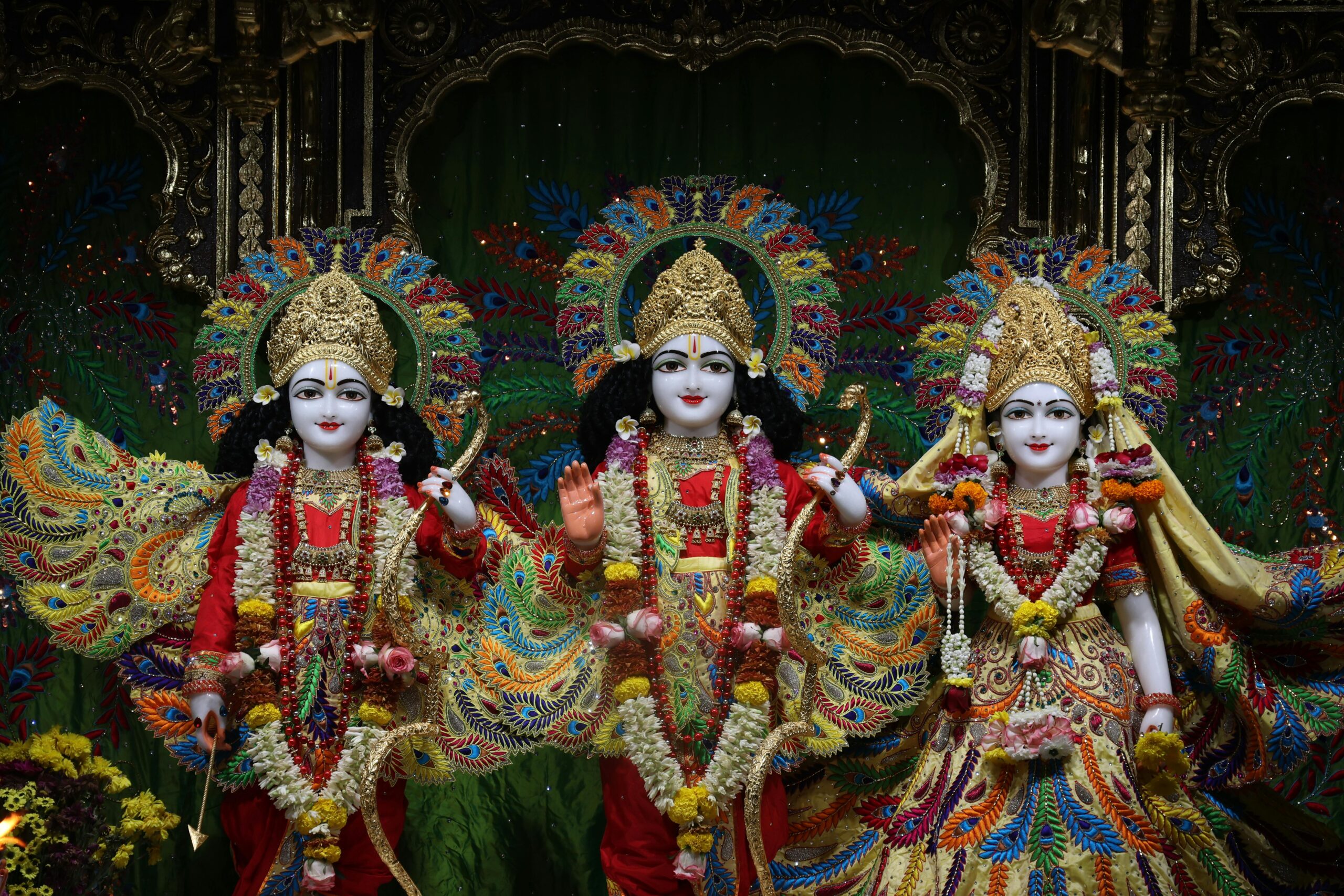
Real expenses revealed for DIY Prayagraj trip without travel agents. Complete cost breakdown, hidden charges & honest comparison with tour packages from Trip Cosmos.
Prayagraj Trip Without Agent – Real Expenses Revealed , Planning a DIY Prayagraj trip without a travel agent offers incredible freedom and potential savings for independent travelers. Whether you’re a budget-conscious pilgrim or someone who loves crafting personalized spiritual journeys, understanding the real, unfiltered expenses is essential for accurate budgeting and smooth travel.
Trip Cosmos believes in empowering travelers with honest, transparent information. This comprehensive expense breakdown reveals exactly what you’ll spend when visiting Prayagraj independently in 2026, helping you make informed decisions whether you choose self-planned adventures or professionally curated packages.
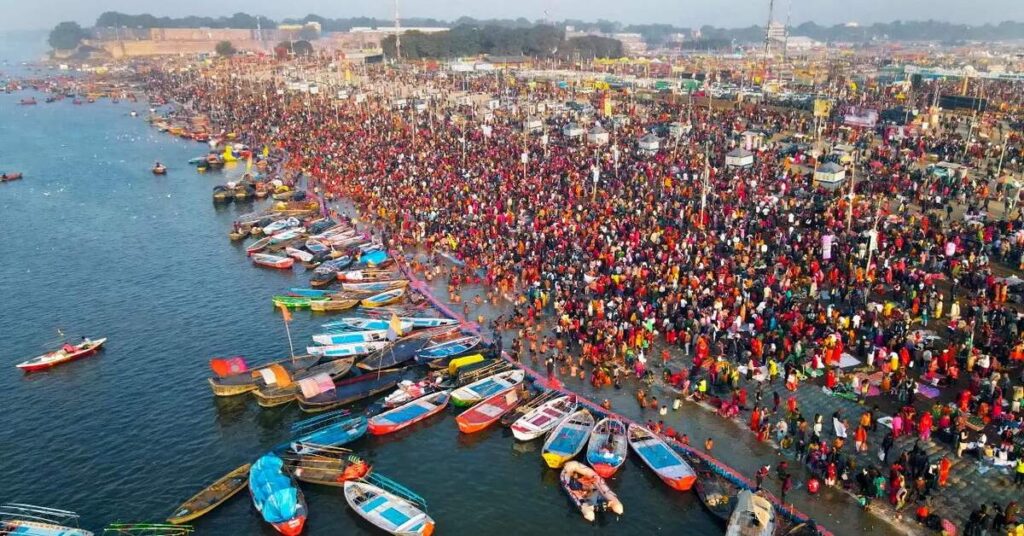
Transportation Costs to Prayagraj
By Train (Most Economical)
Prayagraj Trip Without Agent – Real Expenses Revealed , Prayagraj Junction is excellently connected with major Indian cities. Expect realistic train fares: Sleeper Class costs ₹400-₹1,200 from Delhi, Mumbai, or Kolkata. 3AC ranges ₹1,000-₹2,200 for comfortable overnight journeys. 2AC premium comfort costs ₹1,800-₹3,500 from major metros. Vande Bharat Express (from Varanasi/Delhi when available) charges ₹1,500-₹2,800 for faster, modern travel.
Pro Tip: Book 60-90 days advance for confirmed berths, especially during Magh Mela (January-February) when demand skyrockets. Tatkal booking (₹200-₹400 extra) helps last-minute travelers but sells out within minutes.
By Flight
Prayagraj Airport (Bamrauli) operates limited flights. Expect ₹3,500-₹8,000 from Delhi, ₹4,500-₹12,000 from Mumbai, ₹5,500-₹14,000 from Bangalore depending on booking timing and season. Airport to city center taxi costs ₹400-₹700 (20 km, 45 minutes). Auto-rickshaws charge ₹300-₹500.
Nearby Alternative: Varanasi Airport (130 km away) has more flight options. Flights cost ₹3,000-₹10,000 from major cities. Varanasi to Prayagraj taxi costs ₹2,500-₹3,500 or shared cabs at ₹400-₹600 per person.
By Road (Self-Drive/Bus)
Private Car: From Delhi (630 km), fuel costs ₹4,000-₹5,500 plus tolls ₹400-₹700. From Lucknow (200 km), expect ₹1,500-₹2,000 fuel plus ₹200-₹300 tolls.
Bus Services: Government buses from Lucknow cost ₹150-₹300, from Varanasi ₹200-₹400. Private AC buses charge ₹400-₹800 from nearby cities.
Cab Services: Ola/Uber intercity available from select cities. Delhi to Prayagraj costs ₹7,000-₹10,000, Lucknow to Prayagraj ₹2,500-₹4,000.
Accommodation Expenses in Prayagraj
Budget Options (₹600-₹1,500 per night)
Dharamshalas and Guest Houses: Clean, basic rooms near Civil Lines or Sangam cost ₹600-₹1,000 per night. Shared bathrooms common in ₹600-₹800 range. Attached bathrooms and AC available at ₹1,000-₹1,500. Popular areas: near Triveni Sangam, Daraganj, Mumfordganj.
Budget Hotels: Properties like Hotel Samrat, Hotel Milan, or similar offer ₹800-₹1,500 rooms with essential amenities—AC, attached bathrooms, basic furniture, and television. Cleanliness varies—read recent Google reviews carefully.
Mid-Range Comfort (₹1,500-₹4,000 per night)
3-Star Hotels: Quality properties include Hotel Presidency, Hotel Yatrik, and similar establishments charging ₹2,000-₹3,500. Expect comfortable beds, clean bathrooms with geysers, room service, complimentary breakfast, and helpful staff. Strategic locations reduce local travel costs.
OYO/FabHotels: Standardized budget chains offer ₹1,500-₹3,000 rooms with assured quality, though actual standards vary. Check recent reviews and property photos.
Premium Stays (₹4,000-₹10,000+ per night)
4-Star Hotels: Properties like Hotel Kanha Shyam or upscale options provide ₹4,500-₹8,000 rooms with superior furnishings, riverside views, multi-cuisine restaurants, swimming pools, and concierge services.
Heritage Properties: Limited options exist, but when available, expect ₹6,000-₹12,000 for unique colonial or traditional architecture experiences.
Average Stay Duration: Most travelers spend 2-3 nights, totaling ₹1,200-₹12,000 for budget to comfortable accommodation.
Local Transportation Within Prayagraj
Auto-Rickshaws (Primary Mode)
Expect ₹30-₹80 for short distances (2-3 km), ₹100-₹200 for longer trips (5-8 km), and ₹200-₹400 for Civil Lines to Sangam area. Negotiate before boarding—meters rarely function. Daily auto expenses: ₹400-₹800 depending on sightseeing intensity.
Cycle Rickshaws
Economical for short distances at ₹20-₹60 per ride. Ideal for exploring narrow lanes near temples and markets. Daily budget: ₹100-₹300.
App-Based Cabs
Ola/Uber operate limitedly. Local sightseeing costs ₹250-₹500 for half-day, ₹500-₹900 for full-day bookings. Availability fluctuates—not always reliable during peak seasons.
Rental Vehicles
Bikes/scooters rent at ₹300-₹600 per day requiring valid licenses and ₹1,000-₹2,000 security deposits. Cars available at ₹1,500-₹3,000 daily from local operators.
Walking
Prayagraj’s compact core allows significant walking between Civil Lines attractions. However, Sangam area requires vehicles due to 4-6 km distances from central hotels.
Sangam Boat Ride Expenses
Government-Regulated Charges
Standard Rowing Boats (4-6 capacity): ₹400-₹600 per boat (total, not per person). Share with other travelers for ₹100-₹150 per person. Duration: 30-45 minutes.
Motor Boats (6-10 capacity): ₹800-₹1,200 per boat. Shared among group: ₹120-₹200 per person. Faster journey: 20-30 minutes.
Premium Boats: ₹2,000-₹3,500 for covered seating, extended time, and better comfort.
Negotiation Reality: During off-peak seasons, negotiate 10-20% discounts. Peak Magh Mela prices increase 50-100%. Actual spending: ₹100-₹300 per person for standard shared boats.
Food and Dining Costs
Street Food & Local Eateries (₹80-₹200 per meal)
Authentic vegetarian meals at local restaurants and dhabas. Famous kachori-sabzi costs ₹40-₹80. Thalis (complete meals) range ₹80-₹150. Chaat and snacks cost ₹30-₹80. Daily budget: ₹250-₹600 for three meals.
Mid-Range Restaurants (₹200-₹400 per meal)
Clean establishments with diverse menus. Expect ₹200-₹300 for decent meals at places like Indian Coffee House, local multi-cuisine restaurants. Daily budget: ₹600-₹1,200.
Premium Dining (₹400-₹800+ per meal)
Hotel restaurants and upscale eateries offering elaborate spreads. Daily spending: ₹1,200-₹2,400.
Special Mentions
Prasad and offerings: Budget ₹200-₹500 daily for temple offerings, purchasing prasad, and charitable donations.
Bottled water and snacks: Essential expenses of ₹100-₹200 daily for staying hydrated and energized.
Average Daily Food Cost: ₹450-₹1,500 depending on dining preferences.
Temple Entry and Sightseeing Expenses
Free Attractions
The beautiful aspect of Prayagraj is most spiritual sites have free entry: Triveni Sangam, Hanuman Temple (Bade Hanuman Ji), Nageshwarnath Temple, Alopi Devi Temple, Mankameshwar Temple, and various ghats.
Paid Attractions
Allahabad Fort: ₹25 for Indians, ₹300 for foreigners. Access limited to certain areas; Akshaya Vat and Patalpuri Temple inside.
Anand Bhawan Museum: ₹20 for adults, ₹10 for children. Well-maintained Nehru family museum.
Allahabad Museum: ₹50 for adults, ₹20 for students. Excellent archaeology and art collections.
Khusro Bagh: Free entry to gardens; nominal charges (₹10-₹20) sometimes collected.
Photography Charges: Some locations charge ₹20-₹50 for cameras, ₹50-₹100 for video cameras.
Total Sightseeing Budget: ₹200-₹500 covering all major paid attractions and camera fees.
Puja and Ritual Expenses
Basic Materials
Flowers, incense, coconut, sacred thread: ₹100-₹300 from ghat vendors. Prices negotiable—don’t accept first quotes.
Priest Services
Simple prayers and guidance: ₹200-₹500. Elaborate rituals (Tarpan, Pind Daan): ₹1,000-₹3,000 depending on complexity and negotiation skills.
Special Ceremonies
Customized pujas with specific requirements: ₹2,000-₹10,000 for comprehensive ceremonies with multiple priests and extensive materials.
Realistic Budget: ₹500-₹2,000 for most travelers seeking meaningful spiritual experiences without elaborate ceremonies.
Shopping and Miscellaneous Expenses
Religious Souvenirs
Deity idols: ₹100-₹1,000, Rudraksha malas: ₹200-₹2,000, Religious books: ₹100-₹500, Incense and puja items: ₹100-₹500.
Local Handicrafts
Prayagraj offers limited handicraft shopping compared to Varanasi, but you’ll find traditional textiles, brassware, and regional specialties at ₹300-₹2,000.
Unexpected Expenses
Phone recharge: ₹50-₹200, Laundry services: ₹100-₹300, Medical needs: ₹200-₹1,000 buffer, Tips and donations: ₹200-₹500.
Shopping & Miscellaneous Budget: ₹1,000-₹4,000 depending on purchasing interests.
Complete DIY Expense Breakdown (Per Person)
Budget Traveler (2 Nights / 3 Days)
- Transportation to/from: ₹800-₹2,000 (train/bus)
- Accommodation: ₹1,200-₹3,000 (budget hotels/dharamshalas)
- Food: ₹750-₹1,800 (local eateries)
- Local transport: ₹600-₹1,200 (auto-rickshaws)
- Sangam boat: ₹100-₹200 (shared)
- Sightseeing: ₹200-₹500 (entry fees)
- Puja & offerings: ₹300-₹1,000
- Miscellaneous: ₹500-₹1,500
Total: ₹4,450-₹11,200
Comfortable Traveler (2 Nights / 3 Days)
- Transportation: ₹1,500-₹4,000 (train/flight)
- Accommodation: ₹4,000-₹8,000 (3-star hotels)
- Food: ₹1,800-₹3,600 (mid-range restaurants)
- Local transport: ₹800-₹1,500 (mix of auto/cab)
- Sangam boat: ₹200-₹400 (motor boat shared)
- Sightseeing: ₹300-₹700
- Puja & rituals: ₹1,000-₹2,500
- Shopping & misc: ₹1,500-₹3,000
Total: ₹11,100-₹23,700
Premium Traveler (3 Nights / 4 Days)
- Transportation: ₹4,000-₹12,000 (flight)
- Accommodation: ₹12,000-₹30,000 (4-star hotels)
- Food: ₹4,800-₹9,600 (premium dining)
- Local transport: ₹2,000-₹4,000 (app cabs/rentals)
- Sangam boat: ₹1,000-₹2,000 (private charter)
- Sightseeing: ₹500-₹1,000
- Elaborate pujas: ₹3,000-₹8,000
- Shopping & extras: ₹3,000-₹8,000
Total: ₹30,300-₹74,600
Hidden Costs Independent Travelers Face
Time Investment
DIY planning requires 10-20 hours researching accommodations, comparing prices, booking hotels, planning itineraries, understanding temple timings, and coordinating logistics. This unpaid time has opportunity cost.
Unfamiliar city navigation wastes time and money through wrong routes, tourist trap restaurants charging premium prices, overcharging auto-rickshaws exploiting tourists, and missed attractions due to inadequate research.
Lack of Local Knowledge
Without guides, miss important spiritual context, historical significance, optimal darshan timings, and insider tips for avoiding crowds.
No Emergency Support
Independent travelers manage medical emergencies alone, handle vehicle breakdowns personally, resolve accommodation disputes themselves, and face language barriers without translation assistance.
Peak Season Struggles
Last-minute bookings during festivals face 100-200% price increases, sold-out accommodations, unavailable boats, and overwhelming crowds without pre-arrangements.
When DIY Makes Sense vs. Organized Packages
Choose DIY When:
You have flexible schedules accommodating delays and uncertainties. You enjoy research and planning as part of travel experience. You’re traveling solo or with experienced companions. You visit during off-peak seasons with better availability. You want maximum control over daily activities and timing.
Choose Organized Packages When:
First-time Prayagraj visitors need guidance. Large families or elderly travelers require coordination. Limited vacation time demands efficiency. Peak season travel needs advance reservations. You prefer stress-free experiences with support. Cost difference between DIY and packages is minimal (often just 10-20% premium for significantly reduced hassle).
Why Many Travelers Eventually Choose Trip Cosmos
While DIY trips offer independence, organized packages through Trip Cosmos provide stress-free experiences, expert local guidance, optimized itineraries, emergency support systems, transparent pricing matching or beating DIY costs through bulk rates, quality assurance on accommodations and services, and time savings allowing focus on spiritual experiences rather than logistics.
Our packages eliminate hidden costs, navigation confusion, overcharging risks, and planning stress while delivering superior value through established partnerships unavailable to individual travelers.
Your Prayagraj pilgrimage deserves informed decisions. Whether choosing DIY exploration or expert-guided packages, Trip Cosmos ensures you have honest information for meaningful spiritual journeys!
Ready to compare? Request a Trip Cosmos package quote matching your DIY budget and discover stress-free alternatives delivering exceptional value!
Frequently Asked Questions (FAQs)
Q1: Can I really save money by planning Prayagraj trip independently?
Yes, independent planning can save 10-20% compared to standard tour packages through budget accommodation choices, local eatery dining, shared transportation, and eliminating agent commissions. However, savings diminish when factoring in time investment (10-20 hours planning), potential overcharging by local vendors, missed bulk booking discounts, and last-minute premium pricing. Tour operators like Trip Cosmos often secure better hotel rates through established partnerships and offer competitive packages matching DIY costs while providing guides, support, and hassle-free experiences. Calculate total value including convenience, not just base costs, when deciding.
Q2: How much cash should I carry for a DIY Prayagraj trip?
Carry ₹8,000-₹15,000 cash for a 3-day trip as many vendors prefer cash payments—auto-rickshaws, street food stalls, boatmen, priests, small hotels, and souvenir shops often lack card facilities. While major hotels and restaurants accept cards/UPI, smaller establishments are cash-only. ATMs are available near Civil Lines and Sangam areas, though withdrawal limits apply and machines sometimes run dry during peak pilgrim seasons like Magh Mela. Keep cash distributed across multiple locations (wallet, bag, hotel safe) for security. Small denominations (₹50, ₹100, ₹500 notes) help with exact payments avoiding change shortage issues.
Q3: What are the biggest challenges of visiting Prayagraj without a travel agent?
Major challenges include language barriers as many locals speak Hindi/Bhojpuri with limited English, making communication difficult for non-Hindi speakers. Auto-rickshaw negotiations become frustrating without local knowledge of fair prices. Finding authentic, hygienic food requires research—tourist traps serve overpriced mediocre meals. Peak season accommodation booking is complex with properties claiming full occupancy then magically finding rooms at double prices. Optimal temple timings and crowd avoidance strategies remain unknown. Emergency medical or vehicle issues lack immediate support. First-time visitors often miss significant but lesser-known spiritual sites. Trip Cosmos eliminates these challenges through local expertise, pre-arranged quality services, and 24/7 support.
Q4: Is it safe to travel to Prayagraj alone without a tour group?
Yes, Prayagraj is generally safe for solo travelers including women, though standard precautions apply. Avoid isolated areas after dark, especially near riverbanks. Use registered accommodations and transportation. Keep valuables secured and photocopies of important documents. Women should dress modestly respecting cultural norms and avoid late-night solo travel. Crowded temple areas attract pickpockets—remain vigilant with belongings. River bathing requires caution—strong currents exist at Sangam confluence; consult boatmen about safe areas. Solo elderly travelers benefit from organized groups providing companionship and assistance. Trust your instincts—if situations feel uncomfortable, remove yourself promptly.
Q5: How far in advance should I book accommodation and transportation for DIY Prayagraj trip?
Regular seasons: Book 15-30 days advance for decent hotel availability and reasonable train tickets. Peak seasons (Magh Mela in January-February, major festivals): Book 60-90 days advance as accommodations sell out completely and train tickets become impossible without advance reservations. Hotel prices increase 100-300% during Kumbh Mela years—book 4-6 months early. Off-peak seasons (April-June, July-September): Last-minute bookings work fine with 3-7 days advance sufficient, often securing better negotiation leverage for walk-in rates. Flight bookings: 45-60 days advance typically offers optimal pricing before last-minute premium increases kick in.



Comments are closed.